
Canada's Big Three Cities Are Losing Their New Immigrants
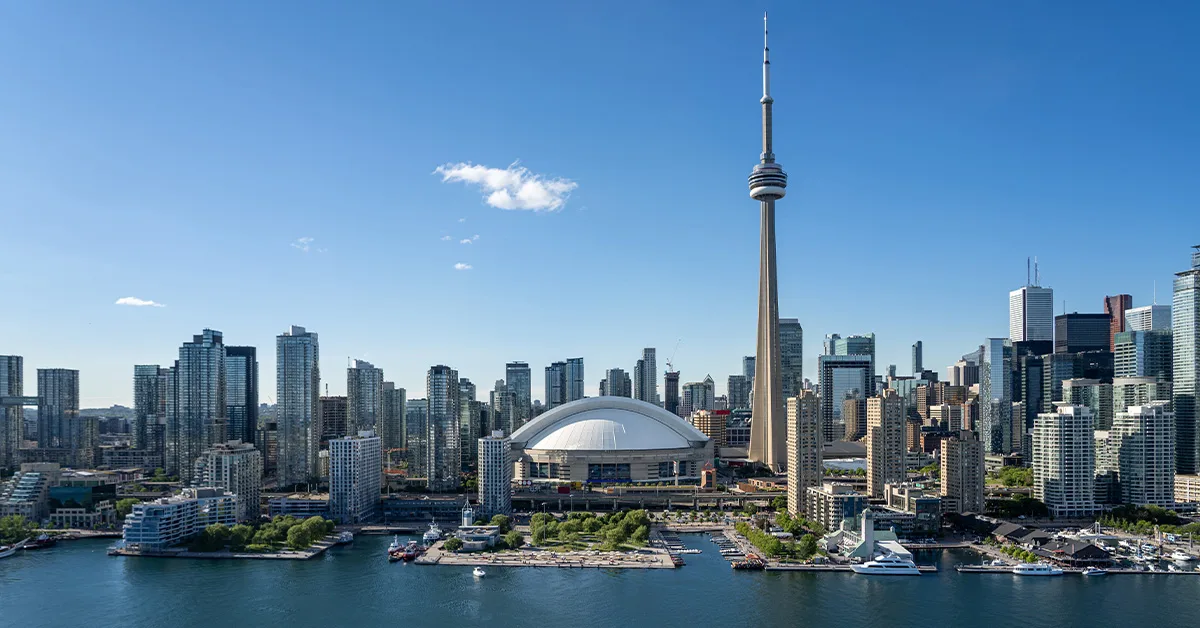
If you’ve been eyeing Canada’s traditional heavy-hitter cities for your next move, the map looks completely different today. Fresh figures published by Statistics Canada on November 24, 2026, reveal that Toronto, Vancouver, and Montreal now attract less than half of the country’s new permanent residents.
For decades, landing in Canada meant heading straight for one of these three metropolitan areas. Back in 2001, they pulled in nearly three-quarters of every newcomer. By the 2024/2025 tracking period, that combined share plummeted to 44.8 per cent, pushed down by soaring housing costs, shifting employment opportunities, and targeted regional immigration policies.
📌 Read More
| Metropolitan area | 2001/2002 | 2019/2020 | 2024/2025 |
|---|---|---|---|
| Toronto | 48.0% | 34.1% | 26.5% |
| Vancouver | 13.4% | 12.8% | 9.7% |
| Montreal | 13.1% | 9.7% | 8.6% |
| Combined total | 74.5% | 56.6% | 44.8% |
| Rest of Canada | 25.5% | 43.4% | 55.2% |
This trend has accelerated dramatically since the pandemic. Between the 2019/2020 and 2024/2025 periods alone, the big three dropped a combined 11.8 percentage points in national share, while the rest of Canada captured over 55 per cent of all incoming permanent residents.
Ontario Adjusts As Toronto’s Dominance Shrinks
























Toronto remains Canada’s top landing spot overall, but its grip on Ontario-bound newcomers has loosened. In the 2019/2020 window, 76.1 per cent of immigrants choosing Ontario settled directly in Toronto. By 2024/2025, that slice dropped to 60.5 per cent.
Instead, smaller hubs and neighboring regions are picking up the slack. The Ontario portion of the Ottawa, Gatineau metropolitan area saw its share nearly double to 12.5 per cent. Programs like the Ontario Immigrant Nominee Program actively channel skilled workers toward regional employers desperate to fill labour gaps outside the Greater Toronto Area.
Quebec Sees Sharpest Shift Outside Montreal

Quebec experienced the steepest provincial shift away from its largest city. Montreal and its surrounding areas reeled in 83.1 per cent of the province’s newcomers in 2019/2020, but that number tumbled to 65.3 per cent by 2024/2025.
Quebec City doubled its intake over the same timeframe, moving from 6.7 per cent to 14.7 per cent. Secondary communities like Sherbrooke, Trois-Rivières, and Drummondville also grabbed larger slices of the pie. Because Quebec runs its own economic selection system, intentional policy pushes to bolster French-speaking regions and distribute economic benefits outside Montreal are actively reshaping where new arrivals unpack their bags.
📰 Similar Posts




👀 You Missed
You Might Also Like






No responses yet