
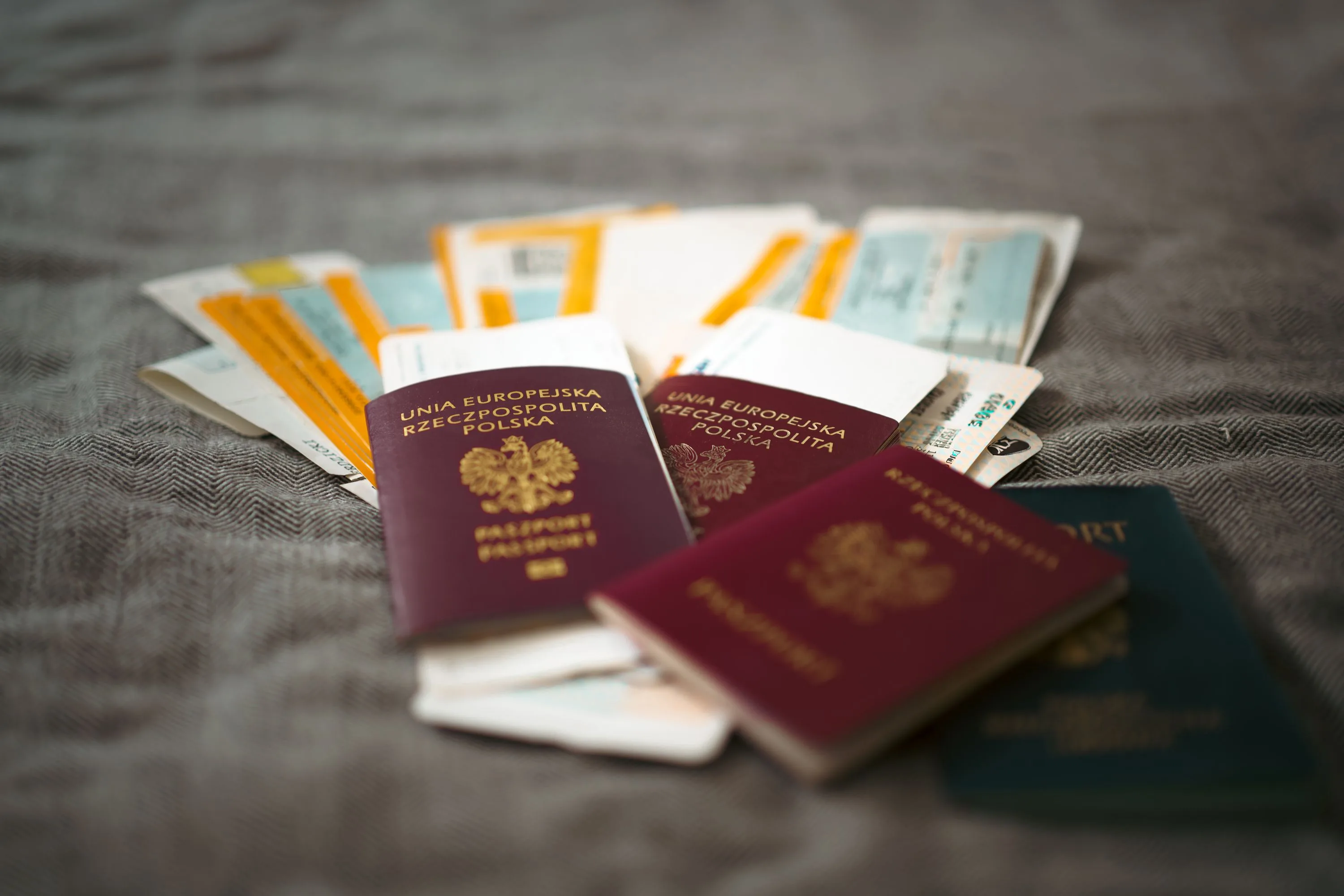
IRCC Processing Times Jump: New Work Permit and Visa Wait Windows
Immigration, Refugees and Citizenship Canada (IRCC) released updated processing numbers on October 14, 2026, revealing longer wait times across several key temporary residence categories. If you’re managing hiring pipelines, employee relocations, or personal study plans, these shifting timelines mean you’ll need to adjust your operational schedules.
The immigration department compares these estimates weekly against prior figures to map out backlog trends. Here is how the timelines break down across categories.
Work Permits
📌 Read More
Work permit processing timelines stretched out for applicants in Canada, Pakistan, and the Philippines, while other regions held steady. For anyone planning an international hire or waiting on an internal transfer, those extra seven days can shift onboarding dates significantly.























| Applying from | Current (Oct. 14) | Previous (Oct. 7) |
|---|---|---|
| Canada | 15 weeks | 14 weeks |
| India | 11 weeks | 11 weeks |
| Pakistan | 9 weeks | 8 weeks |
| Nigeria | 10 weeks | 10 weeks |
| United States | 6 weeks | 6 weeks |
| Philippines | 8 weeks | 7 weeks |
For comparison, IRCC maintains service standards of 120 days for in-Canada submissions (both initial applications and extensions) and 60 days for outside-Canada submissions.
Study Permits
While study permit processing times dropped for applicants already in Canada and those applying from the U.S., students in India, Pakistan, and the Philippines saw an extra week added to their wait. Pakistan’s current window marks its longest wait time in over four months.

| Applying from | Current (Oct. 14) | Previous (Oct. 7) |
|---|---|---|
| Canada | 7 weeks | 8 weeks |
| India | 7 weeks | 6 weeks |
| Pakistan | 8 weeks | 7 weeks |
| Nigeria | 10 weeks | 10 weeks |
| United States | 5 weeks | 6 weeks |
| Philippines | 6 weeks | 5 weeks |
Like work permits, study permit service standards sit at 120 days for in-Canada requests and 60 days for those submitted from abroad.
Visitor Visas
Visitor visa timelines moved in mixed directions. Processing windows grew slightly for applicants inside Canada and in Nigeria, but shortened for almost every other monitored region.
📰 Similar Posts
| Applying from | Current (Oct. 14) | Previous (Oct. 7) |
|---|---|---|
| Canada | 12 days | 11 days |
| India | 29 days | 30 days |
| Pakistan | 65 days | 71 days |
| Nigeria | 103 days | 100 days |
| United States | 18 days | 18 days |
| Philippines | 24 days | 25 days |
IRCC enforces a service standard of 14 days for visitor visas submitted from outside Canada, while in-Canada submissions do not carry a formal service standard.
Super Visas
Super visa applications, which must be submitted from outside Canada, saw widespread increases across most regions. The Philippines experienced the sharpest jump, adding nearly two weeks to the wait. Nigeria stood alone as the only featured country where the timeline improved.
| Applying from | Current (Oct. 14) | Previous (Oct. 7) |
|---|---|---|
| India | 77 days | 74 days |
| Pakistan | 105 days | 101 days |
| Nigeria | 35 days | 37 days |
| United States | 68 days | 66 days |
| Philippines | 103 days | 90 days |
The official service standard for super visas stands at 112 days.
Inside-Canada Extensions
For applicants already residing in the country who need to extend their legal status, current processing volumes reveal heavy backlogs. Visitor records currently sit at a 357-day processing window. Study permit extensions take an average of eight weeks, with 27,700 applications sitting in the queue. Meanwhile, work permit extensions, which include new post-graduation work permits, bridging open work permits, and condition changes, require 13 weeks of processing time, backed by a massive queue of 205,400 applications.
IRCC reminds applicants that these processing times are estimates based on historical data rather than guaranteed turnaround deadlines. The department publishes fresh updates weekly.




👀 You Missed
You Might Also Like







No responses yet