
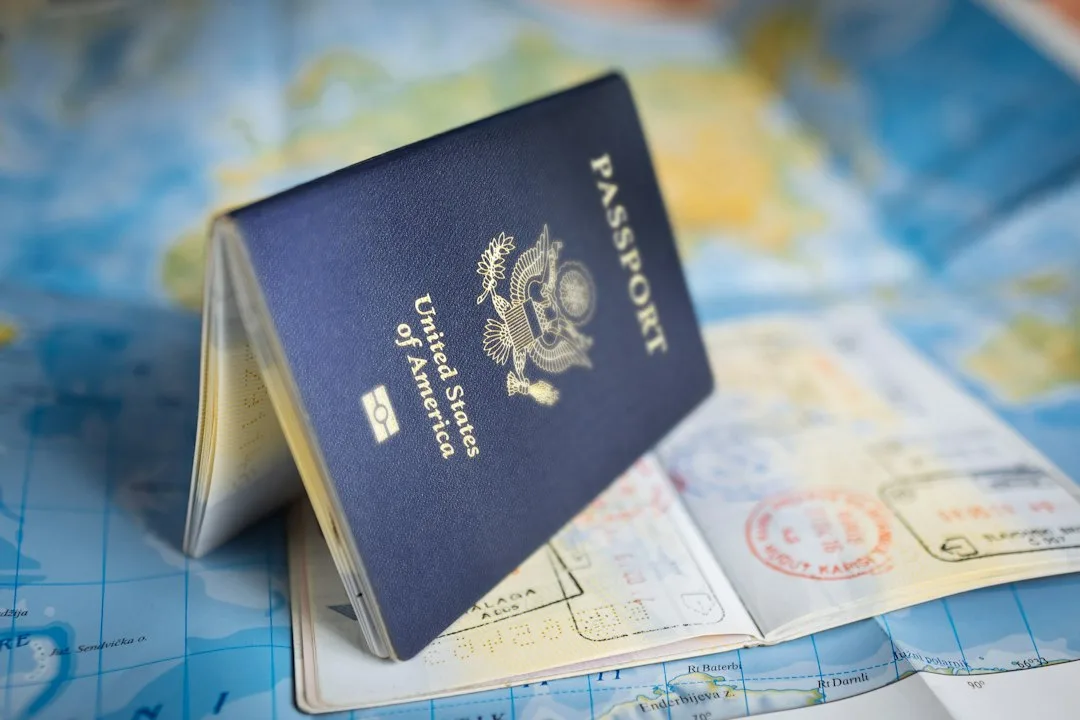
5 U.S. Immigration Shifts: Public Charge Rules, Visa Limits & More
Here are 5 major U.S. immigration policy changes and legal updates shaping green cards, student visas, and consular processing right now.
1. New Public Charge Rules Take Effect With Broader Benefit Scrutiny
Immigration officers now have wider discretion to weigh certain green card applicants’ use of means-tested public benefits following a policy shift that took effect September 18, 2026. Programs including Medicaid, SNAP, CHIP, and housing assistance can now factor into evaluations, though utilizing a benefit does not automatically trigger a denial.
📌 Read More
If you or a family member rely on public assistance, understanding how these expanded evaluations apply to sponsors and applicants is essential before filing paperwork.
2. States and Cities Challenge Public Charge Policy in Court













A coalition of states, cities, and counties has filed lawsuits against the Trump administration over the public charge expansion. The legal challenges argue that the Department of Homeland Security exceeded its authority by giving immigration officers excessive discretion to determine whether someone is likely to become a public charge.
Because the litigation did not secure an injunction stopping the policy, the new rules remain fully active while the court cases move forward.
3. Federal Judge Halts End to ‘Duration of Status’ for Students

A federal judge has blocked a Department of Homeland Security rule that would have dismantled the traditional “duration of status” framework. The blocked rule was slated to launch on September 15, 2026, and would have imposed fixed admission periods, including a strict four-year cap for most students and exchange visitors.
The preliminary injunction means the familiar system stays in place for now, including the 60-day post-completion grace period for F-1 students.
4. Consular Services Vary as Proclamation 10998 Restrictions Continue
📰 Similar Posts
U.S. embassies and consulates worldwide are reporting widely different appointment availability, wait times, and service levels. Visa issuance restrictions under Presidential Proclamation 10998, which took effect January 1, 2026, continue to impact nationals of 39 countries, with some applicants facing redirection to regional posts.
Checking specific embassy conditions before booking travel or interviews prevents unexpected delays.
5. New Visa Restrictions Target Certain South African Nationals
The State Department announced fresh visa restrictions targeting specific South African nationals in response to the country’s land and race-related policies. Secretary of State Marco Rubio stated that the limitations may apply to individuals deemed responsible for policies enabling uncompensated land seizures, racial discrimination, or incitement of violence against minority groups, though no specific individuals have been named.
The South African government rejected the characterization of its policies, pointing out that the measures are designed to address enduring inequalities stemming from apartheid.
💡 Quick FAQ & IntelligenceTap to Expand




👀 You Missed
You Might Also Like







No responses yet