

For Nigerians planning to travel, work, study, or invest, Different Types of Visas and visa requirements is crucial. Choosing the wrong visa — whether it’s a Transit Visa, Tourist Visa, Business Visa, STR Visa, Temporary Work Permit (TWP), Employment Visa, student visa, Academic Exchange Programme (AEP) Visa, Diplomatic Visa, or Investors Visa— can lead to delays, confusion, or even denial. This guide explains all visa types, their purposes, and key application tips, ensuring a smooth experience.
Short-Term Visas for Quick Travel
Nigeria offers several short-term visas depending on your purpose of visit. Choosing the right one ensures your stay is legal and hassle-free.
📌 Read More
1. Transit Visa
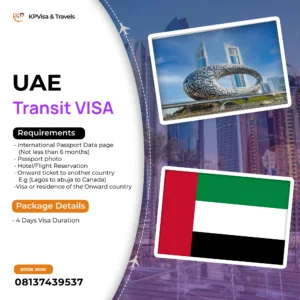
: The Transit Visa is for travelers passing through Nigeria en route to another country. Typically valid for 1–7 days, a Transit Visa requires proof of onward travel and a valid visa for your final destination. Always ensure your Transit Visa matches your travel dates.
2. Tourist Visa:
Visitors planning sightseeing, family visits, or cultural exploration should apply for a Tourist Visa. The Tourist Visa is usually valid for 90 days and requires proof of accommodation, itinerary, and sufficient funds. Applying for a Tourist Visa early can prevent unnecessary delays.
3. Business Visa:
Professionals attending meetings, conferences, or short-term business activities should choose a Business Visa. The Business Visa is commonly valid for three months and requires an invitation from a Nigerian company. A Business Visa ensures your business activities in Nigeria remain fully compliant.




















Employment and Work Visas
Nigeria has several visa categories for professionals and skilled workers. These include the STR Visa, Temporary Work Permit (TWP), and Employment Visa.
1. STR Visa (Subject to Regularization):
The STR Visa is the first step for foreigners seeking employment in Nigeria. Companies sponsoring expatriate workers usually start with an STR Visa, which allows entry while the long-term work permit is processed. Your STR Visa Application requires employment letters, quota approval, and professional certifications.
2. Temporary Work Permit (TWP):
For short-term assignments, the Temporary Work Permit (TWP) is ideal. Valid for up to 3 months, a TWPrequires a Nigerian company invitation and proof of qualifications. Engineers, consultants, and technicians frequently rely on the Temporary Work Permit (TWP) for quick project deployments.
3. Employment Visa:
The Employment Visa is for long-term employment under an approved expatriate quota. Initially granting a 90-day entry, the Employment Visa is extendable for years. Applicants need an employment offer, quota approval, and supporting employer documentation. Without the correct Employment Visa, foreign employees cannot legally work in Nigeria.

Academic and Cultural Visas
Students, researchers, and Cultural Exchange participants must select the right visa for education or research purposes.
1. Student Visa:
The Student Visa is for full-time studies in Nigeria. Typically valid for the academic program’s duration, the Student Visa requires an admission letter, financial proof, and health insurance. Students cannot start classes without a valid Student Visa.
2. Academic Exchange Programme (AEP) Visa
: For research or student exchange programs, the Academic Exchange Programme (AEP) Visa allows temporary study or research in Nigeria. Applicants must provide acceptance letters from Nigerian institutions. The AEP Visais generally valid for up to 90 days, and the Academic Exchange Programme (AEP) Visa promotes cross-border educational collaboration.
3. International Cultural Exchange Visas:
Cultural exchange participants can benefit from visas supporting programs between Nigeria and other countries. These visas ensure legal participation in cultural or academic projects.
📰 Similar Posts
Diplomatic, Official, and Investment Visas
Some travelers visit Nigeria for government missions or investments. These visas include Diplomatic Visa and Investors Visa.
1. Diplomatic Visa:
Issued to government officials and diplomats, the Diplomatic Visa allows stays of up to two years. A diplomatic note and official Nigerian government invitation are required for the Diplomatic Visa.
2. Investors Visa
: Foreign investors seeking to expand or build businesses in Nigeria need the Investors Visa. A strong Investors Visa application includes proof of investment, business plan, and financial capacity. The Investors Visa attracts international capital and talent to Nigeria.
Applying for a Nigerian Visa
Whether it’s a Transit Visa, Tourist Visa, Business Visa, STR Visa, Temporary Work Permit (TWP), Employment Visa, Student Visa, Academic Exchange Programme (AEP) Visa, Diplomatic Visa, or Investors Visa, the application process is similar:
1. Select the correct visa based on your purpose.
2. Complete the application form and pay fees.
3. Gather required documents.
4. Schedule an embassy or consulate appointment.
5. Attend your interview or biometric capture.
6. Wait for processing and collect your passport.
Tips for Success
* Apply early.
* Submit complete documentation.
* Ensure accuracy and honesty.
* Follow embassy instructions.
* Prepare for interviews.
Common Reasons for Visa Denial
visa applications may be denied due to:
* Missing documents
* Insufficient funds
* Inconsistent information
* Criminal records
* Misrepresentation
Avoiding these errors increases the likelihood of approval for any visa type — from a Transit Visa to an Investors Visa.
Final Thoughts
Understanding Nigeria’s visa types ensures travelers, workers, students, and investors apply correctly. Whether you need a Transit Visa, Tourist Visa, Business Visa, STR Visa, Temporary Work Permit (TWP), Employment Visa, Student Visa, Academic Exchange Programme (AEP) Visa, Diplomatic Visa, or Investors Visa, knowing requirements simplifies the process. Apply early, stay organized, and follow embassy instructions to achieve a smooth visa application experience.




👀 You Missed
You Might Also Like










No responses yet