
Updated on
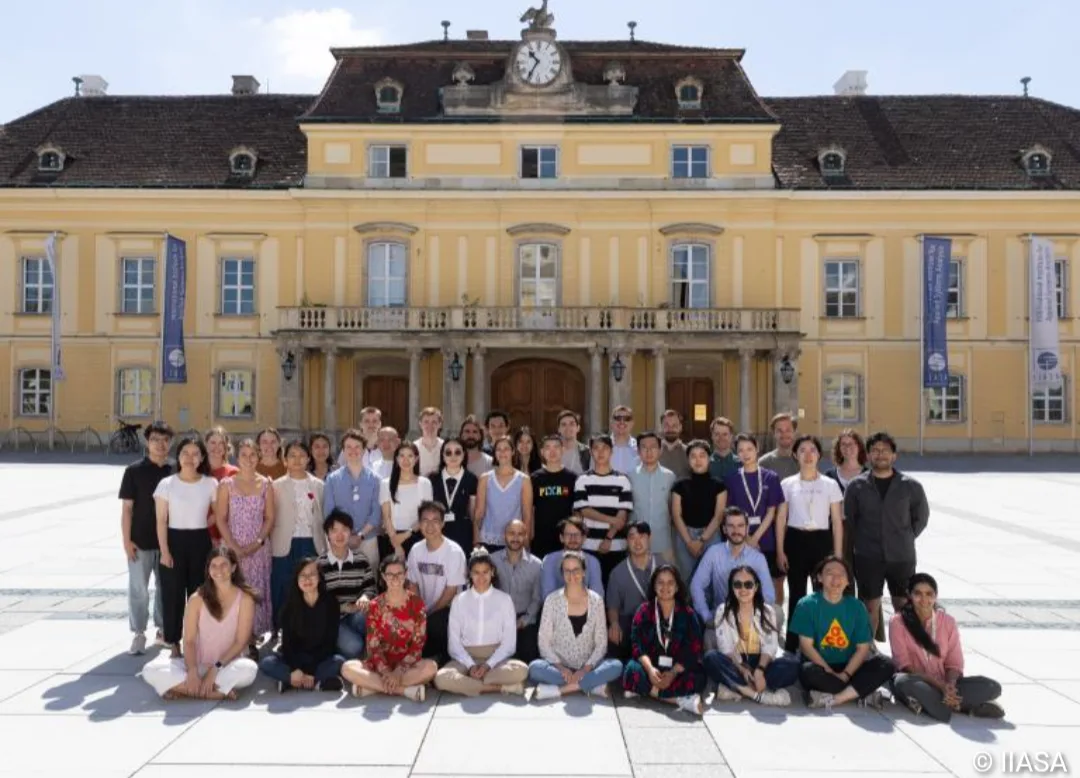
The IIASA Young Scientists Summer Program (YSSP) 2027 is a three-month, in-person research programme for PhD students at the International Institute for Applied Systems Analysis in Laxenburg, Austria. It runs from 1 June to 27 August 2027, applications close on 10 January 2027 at 23:00 CET, and PhD students from any country can apply. IIASA does not charge a tuition fee, but you need funding for living costs, which usually comes from a Member Organization fellowship or from another source you arrange.
Key facts
| Item | Detail |
|---|---|
| Host | International Institute for Applied Systems Analysis (IIASA) |
| Location | Laxenburg, Austria, about 30 minutes from Vienna by public transport |
| Dates | 1 June to 27 August 2027, with a few days either side for travel and admin |
| Application deadline | 10 January 2027, 23:00 CET |
| Format | Full-time and in person; no home office |
| Tuition | No tuition fee |
| Leave | Up to 5 days |
Who can apply
- You are enrolled in a PhD programme, ideally within one to two years of completing it.
- Your proposed research connects with IIASA’s research areas.
- You can form research questions and work independently with guidance from a mentor.
- You are interested in interdisciplinary research and the wider relevance of your work.
- Your English is good enough to do research and discuss it. No certificate is needed; English is checked in a short online interview.
- You can take part full-time and in person for the whole period.
How the three months are used
| Part of the programme | Share of time |
|---|---|
| Mentored research project | About 70% |
| Training seminars and workshops | About 20% |
| Social programme | About 10% |
Working hours are Monday to Thursday from 08:30 to 17:30 and Friday from 08:30 to 15:00. Each participant works with an IIASA mentor in one of the institute’s research groups, alongside a cohort of PhD peers from around the world.





















📌 Read More
Funding: what to plan for
There is no tuition fee, but you should budget for accommodation, meals, local transport, health insurance and personal expenses. Most of IIASA’s Member Organizations offer grants to their own nationals or to foreign students studying in their country, and slots are limited. The stipend varies by organization; IIASA describes it as usually around 1,700 euros per month plus airfare. If you are not a citizen or resident of a Member Organization country, you must find funds from your home institution or another source. IIASA has limited special funds for exceptional applicants from non-member countries, and named fellowships exist for researchers from India and other developing countries and for a US graduate school.
| Your situation | Funding route to explore |
|---|---|
| Citizen of, or studying in, a Member Organization country | Member Organization fellowship through the application |
| Researcher from a developing country outside the member list | Special fellowships awarded in the selection process, plus support from your home university or a funder |
| No fellowship offered | Home institution grant, national research council or another sponsor; confirm before you accept |
How to apply, step by step
- Check that your PhD stage and topic fit the criteria above.
- Read the funding page and decide how you would cover living costs.
- Choose one or two IIASA research groups that fit your topic and contact the relevant group with your outline idea.
- Write the research proposal. IIASA calls it the most important part of the application. It covers a title, abstract, research questions and objectives, methods, data status, innovative aspects and expected results and risks.
- Prepare your CV, motivation letter and list of publications as one single PDF, and line up two referees.
- Submit everything in one session through the online application system. Progress cannot be saved, so keep all text and files ready first.
IIASA also lists online information webinars in November 2026, with separate times for the Americas, for Europe and Africa, and for Asia and Oceania. If you are in Nigeria or elsewhere in Africa, the Europe and Africa session is the one to join.
Visa and travel
IIASA says it will explain the visa process to participants who need a visa once they are accepted. Austria is a Schengen country, so check the Schengen visa rules for your passport early and allow a few days on either side of the programme dates for travel and registration.

Official IIASA Young Scientists Summer Program page
Where to go next
- Yehuda Elkana Fellowship 2027 at Central European University
- Jane Street Graduate Research Fellowship for PhD students
- ICTP-CCG Catalyst Facility Academic Writing Residency
- Quality of Government Institute Internship 2027




👀 You Missed
You Might Also Like







No responses yet