
Updated on
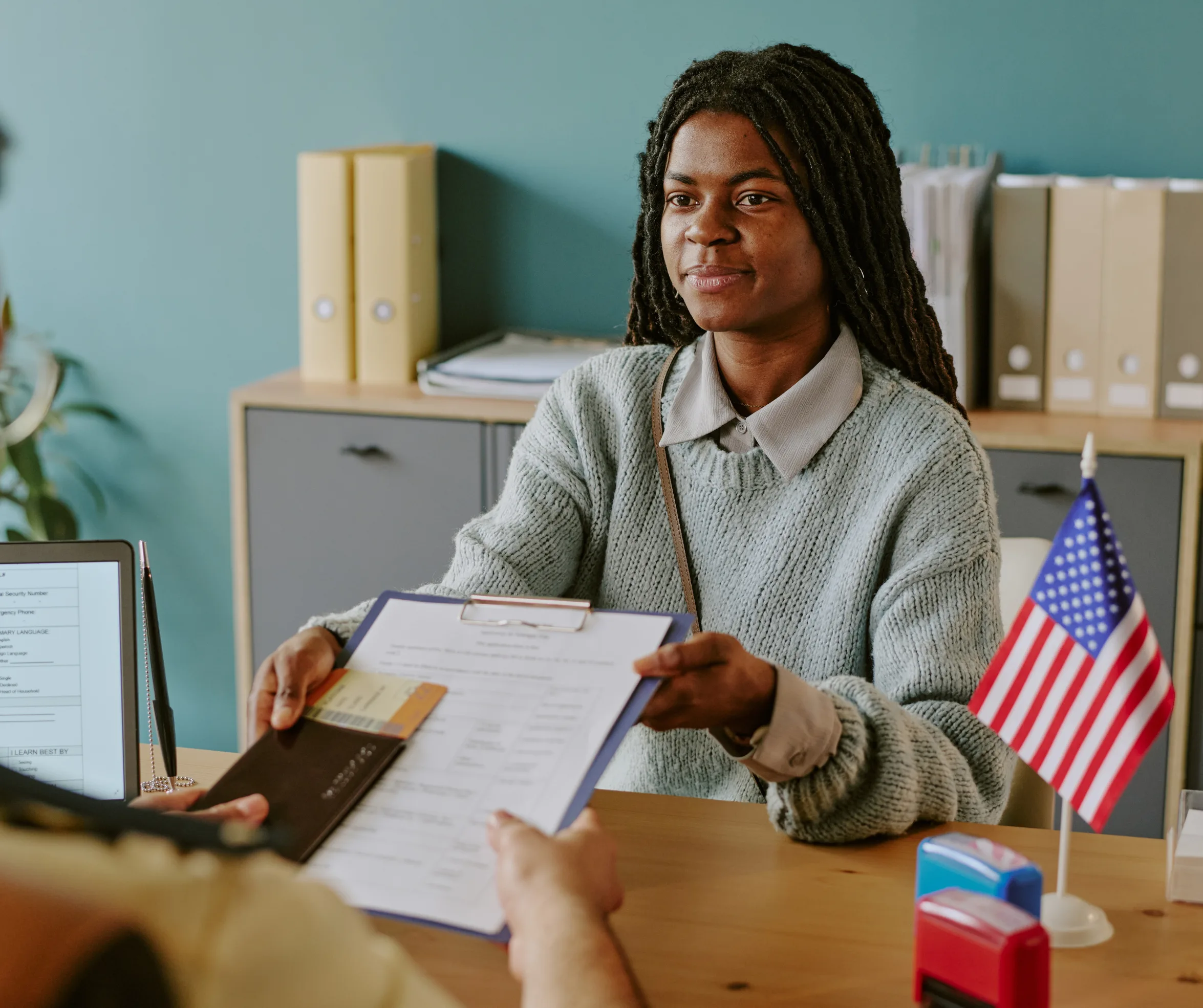
Few things are more frustrating than reaching a US immigrant visa interview after months of waiting and being told that a document is missing. Sometimes the interview goes ahead and the case is put on hold; sometimes you are asked to come back. Either way, the delay can be long. This guide lists the documents that most immigrant visa applicants are asked to bring, explains how to organise them, and shows what to do if the officer asks for something extra.
An earlier version of this article described a policy effective on a specific date in 2025 and included items that only apply to the Philippines. We could not confirm that policy wording from official sources, so it has been removed. What follows is a generic checklist. Your interview appointment letter and the website of the US embassy or consulate handling your case are the authority, and they override anything here.
























📌 Read More
Check current rules for your nationality first
US immigration policy changes often, and restrictions on certain nationalities, visa categories or processing have been introduced and updated more than once. Before you plan travel or pay for new documents, check the US Department of State travel and visa pages for your country and your visa category. If your appointment letter says something different from a blog post, follow the letter.
The core document checklist
| Document | What to bring | Common problem |
|---|---|---|
| Passport | Valid for at least six months beyond your intended date of entry; bring old passports too | Passport expiring soon |
| Interview appointment letter | A printed copy | Wrong case number or date |
| DS-260 confirmation page | Printed confirmation showing the barcode | Not submitted or not printed |
| Civil documents | Original birth certificate; marriage certificate, divorce decree or death certificate for any prior marriage, if relevant | Missing or unofficial copies |
| Police certificates | From your country of residence and from any country you lived in for 12 months or more after age 16, where required | Wrong country or expired |
| Medical examination | Completed with an approved panel physician; usually in a sealed envelope, plus vaccination record | Exam done before instructions were issued |
| Affidavit of Support (Form I-864) | Signed form from the sponsor with the latest tax return and supporting evidence | Sponsor income below the requirement |
| Photographs | Two passport-style photos meeting the US specifications | Wrong size or background |
| Translations | English translation of any document in another language, with the translator’s statement of competence | No translator statement |
| Fee receipts | Proof of payment for your visa processing fee | Receipt not saved |
Bring originals and one photocopy of each document. Officers usually keep copies and return originals, but practices vary by post. Place documents in the order shown on your checklist so the officer can find them quickly.
Extra documents to consider, depending on your case
- Proof of the relationship for family cases: photographs, communication records, travel records, wedding evidence, and joint financial documents where they exist.
- Name change evidence if your name differs between documents, such as a deed poll, marriage certificate or court order.
- Prior marriage termination documents for you and for your sponsor, if either was married before.
- Additional financial evidence if the sponsor’s income is close to the threshold, such as employer letters, recent pay slips, bank statements or a joint sponsor’s I-864.
- Military records if you served, because some posts ask for them.
- Court and prison records for any arrest or conviction, even if it was minor or old.
Country-specific requirements exist too. For example, some countries issue unabridged or long-form birth certificates, and some require a specific registry document for marriage status. Your embassy’s page for your country lists these. Do not use a list written for another country.

What happens if something is missing
The outcome depends on the post and on what is missing. These are the common results:
| Situation | Likely result | What to do |
|---|---|---|
| Minor item missing, easy to obtain | Interview proceeds; the officer asks you to submit the item afterwards | Follow the instructions in the notice exactly and meet the deadline |
| Important document missing | Case is refused under section 221(g) for administrative processing, or the interview is rescheduled | Gather the document and submit it as instructed |
| Document questioned as unreliable | Additional checks or a request for a different document | Provide official evidence from the issuing authority |
| Medical or police certificate expired | Officer asks for a new one | Book a new exam or certificate quickly |
A 221(g) notice is not a final refusal. It is a request for something to be completed. If you receive one, read it carefully, note the deadline and the method for submission, and respond with exactly what was asked.
📰 Similar Posts
A worked example
This is a hypothetical example. Tunde and his spouse are preparing for an immigrant visa interview in six weeks. Their preparation looks like this.
- Six weeks before: they open the embassy page and the appointment letter and compare them to their own list, adding each item to a spreadsheet with a status column.
- Five weeks before: they request police certificates and a new copy of the birth certificate, since these can take time.
- Four weeks before: Tunde books his medical with an approved physician and the sponsor prepares the I-864 and the latest tax return.
- Two weeks before: they arrange translations with a translator’s statement for two foreign-language documents, and print the DS-260 confirmation.
- One week before: they photocopy everything and put the documents in a folder in the order of the checklist.
- The day before: they check passport, letter, receipts and photos, and plan their travel to arrive early.
The point is not the exact timing. It is that long-lead items, such as police certificates and civil documents, are started first.
Mistakes that cause avoidable delays
- Relying on a generic checklist from a blog instead of the one from your embassy.
- Bringing photocopies instead of originals where originals are required.
- Names spelled differently across documents without evidence of the change.
- Translating documents without the translator’s statement of competence.
- Taking the medical examination too early or with an unapproved doctor.
- Not preparing the sponsor, whose finances are also reviewed.
- Paying a third party who promises a guaranteed approval or a faster appointment.
Frequently asked questions
Will I be turned away if I forget one document?
It depends on the post and the document. Some missing items can be sent later; important ones can lead to a 221(g) notice or a rescheduled appointment. Follow your appointment letter.
Do I need to bring both originals and copies?
Most applicants are asked to bring originals and one copy of each document. Check your embassy’s instructions.
How long should my passport be valid?
Official guidance for immigrant visas generally asks for validity of at least six months beyond the intended date of entry. Renew early if your passport is close to that.
Do I need to translate documents?
Documents not in English or the official language of the post generally need a full translation with a statement from the translator that they are competent and the translation is accurate.
Which police certificates are needed?
Usually from your country of residence and from any country where you lived for 12 months or more after age 16. The embassy’s page for your country gives the exact rules and how to obtain them.
What if the officer asks for a document I do not have?
Ask what exactly is needed and how to submit it, note the deadline, and obtain it from the official issuing source. Do not provide a document you cannot support.
Final thoughts
Most delays at an immigrant visa interview come from documents that were started too late or from using a checklist for the wrong country. Treat your appointment letter and the embassy’s own instructions as the source of truth, start the long-lead documents first, and keep an organised folder with originals and copies. If something does go wrong, a 221(g) request is a chance to fix the file, not the end of the case.




👀 You Missed
You Might Also Like









No responses yet